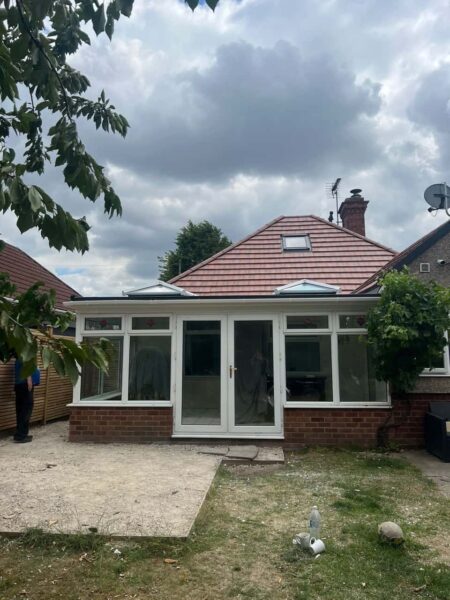
Why Storm Season Increases Roofing Emergencies
Storm season places significant pressure on roofing systems, especially when roofs are already showing signs of ageing or hidden damage. Heavy rainfall, strong winds and sudden weather changes can quickly expose weak points that may have gone unnoticed during calmer conditions. What begins as a minor roofing issue can rapidly develop into a serious emergency when severe weather arrives.
For homeowners in Wollaston, Northamptonshire, understanding why roofing emergencies become more common during storm season can help prevent avoidable damage and costly long-term problems.
Strong Winds Can Loosen Roofing Materials
One of the most common causes of storm-related roof damage is high wind exposure.
Strong winds may:
- Dislodge roof tiles or slates
- Lift flashing around chimneys and roof joints
- Weaken ridge tiles and roof edges
- Expose underlying roofing materials to rainwater
Even a small section of damage can leave the roof vulnerable to further deterioration during ongoing storms.
Heavy Rain Quickly Exposes Weak Points
Storm conditions often involve intense rainfall over short periods.
If the roof already has hidden defects such as:
- Cracked tiles
- Worn felt roofing
- Damaged flashing
- Blocked gutters
water can begin entering the property very quickly.
In Wollaston, Northamptonshire, where roofs regularly face changing seasonal weather, prolonged rain combined with strong winds can rapidly worsen existing roofing problems.
Blocked Gutters Increase Water Damage Risk
Storms often carry leaves, moss and debris onto roofs and guttering systems.
Blocked gutters may cause:
- Overflowing rainwater near the roofline
- Water backing up beneath roofing materials
- Damp patches forming on walls and ceilings
Regular gutter maintenance becomes especially important before periods of severe weather.
Small Roofing Problems Become Major Emergencies
Minor defects that seem manageable during dry conditions can become serious during storms.
For example:
- A loose tile may become completely detached
- Small leaks may spread into loft spaces
- Weak flashing may fail under heavy rainfall
- Water ingress can affect insulation and roof timbers
Storm conditions often accelerate damage far more quickly than homeowners expect.
Roof Leaks Can Spread Internally
Once water enters the roof structure, internal damage may begin developing rapidly.
Potential consequences include:
- Damp ceilings and walls
- Mould and moisture build-up
- Damaged insulation
- Timber deterioration within the roof structure
Early emergency repairs help limit the spread of water damage throughout the property.
Older Roofs Are More Vulnerable
Ageing roofing systems are often less capable of coping with extreme weather.
Common weaknesses include:
- Weathered roofing materials
- Loose mortar on ridge tiles
- Deteriorated flashing
- General structural wear over time
Storm season frequently exposes these vulnerabilities.
Flying Debris Creates Additional Risks
Storms can also introduce external hazards to roofing systems.
Strong winds may carry:
- Fallen branches
- Loose garden materials
- Debris from nearby structures
These impacts can crack tiles, damage flashing and create immediate roofing emergencies.
Emergency Repairs Help Prevent Further Damage
Fast professional response is essential after storm-related roof damage.
Emergency roofing repairs can help:
- Prevent ongoing water ingress
- Secure loose roofing materials
- Protect vulnerable sections of the roof
- Reduce the risk of larger structural issues developing
Quick action often prevents minor damage from escalating further.
Routine Maintenance Reduces Emergency Risks
Preventative maintenance is one of the best ways to reduce storm-related roofing emergencies.
Regular inspections help identify:
- Loose or damaged tiles
- Weak flashing and mortar joints
- Drainage problems
- Early signs of roof deterioration
Addressing these issues before storm season helps improve roof resilience.
Why Professional Roofing Services Matter
Storm-related roofing damage should always be assessed and repaired professionally to ensure long-term protection and safety.
BMT Roofing Wollaston provides expert roof inspections, repairs and emergency roofing services in Wollaston, Northamptonshire, helping homeowners protect their properties during severe weather conditions. Every project is completed with careful attention to durability, waterproofing performance and long-term roof reliability.
Conclusion
Storm season increases roofing emergencies because severe weather places additional strain on roofing systems and quickly exposes hidden weaknesses. High winds, heavy rainfall and debris can all contribute to rapid roof deterioration and internal water damage if problems are not addressed promptly.
For homeowners in Wollaston, Northamptonshire, regular maintenance and fast professional repairs are essential for protecting the home during periods of severe weather. If your roof has been affected by storm damage or is showing signs of deterioration, BMT Roofing Wollaston can provide expert guidance and dependable roofing services tailored to your property’s needs.
Call us on: 01933 823 289
Click here to find out more about BMT Roofing Wollaston
Click here to complete our contact form and see how we can help with your roofing needs.