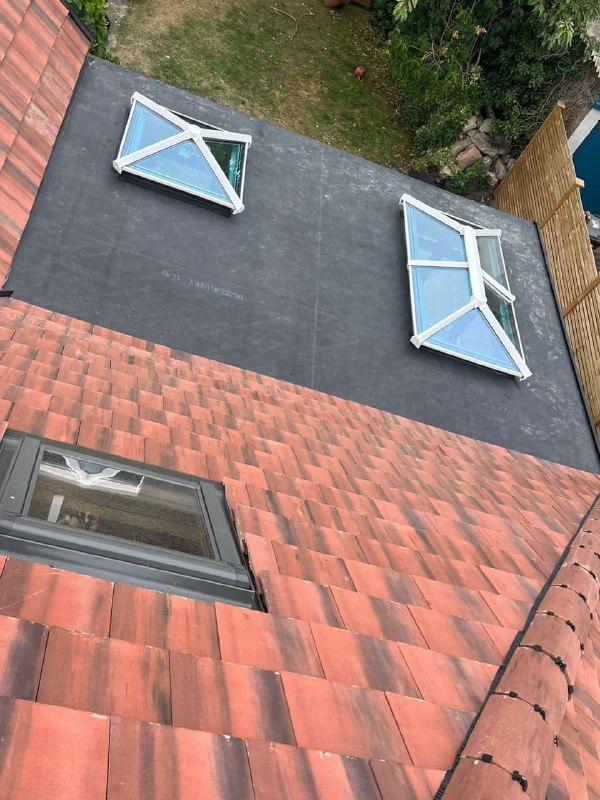
Why Some Leaks Only Appear During Heavy Rain
Roof leaks can be frustrating for homeowners—especially when they seem to appear only in certain weather conditions. Many people are surprised to discover that a roof can look perfectly fine during light showers but begin leaking suddenly during periods of heavy rainfall. This is a common scenario in villages like Wollaston, where older roofing materials, shifting weather patterns, and varied property styles all play a part.
At BMT Roofing Wollaston, we regularly investigate leaks that only show themselves in intense rainfall, and there are several clear reasons why this happens.
Heavy Rain Exposes Weaknesses That Light Rain Cannot
Light rain may not produce enough water pressure to push moisture through small gaps or worn materials. Heavy rain, however, delivers a far greater volume of water in a short period of time. When water builds up quickly, it can exploit weaknesses that would otherwise remain hidden.
Common issues include:
- Tiny cracks in tiles or slates
- Perished or damaged underlay
- Small openings around flashing
- Wear along ridge and hip lines
During a downpour, water penetrates these areas much more forcefully, making leaks visible only under certain conditions.
Wind-Driven Rain Enters Through Gaps That Normally Stay Dry
Another factor is wind direction. Heavy rain is often combined with strong winds, which can blow water sideways rather than straight down. This allows water to enter areas it normally wouldn’t reach.
Wind-driven rain often penetrates:
- Under lifted or slipped tiles
- Behind poorly sealed flashing
- Through gaps along the verge or ridge
- Around chimneys, skylights, and vents
Roofs in exposed areas of Wollaston may experience this more frequently, as wind pressure can force water into vulnerable sections of the roof structure.
Blocked Gutters and Valleys Cause Overflow During Downpours
Heavy rainfall fills gutters, valleys, and downpipes much faster than light rain. When these channels become overwhelmed, water has nowhere to go except back towards the roof.
This can lead to leaks around:
- Fascias
- Eaves
- Internal ceilings
- Valley joints
Even a small blockage—such as moss buildup, leaves, or debris—can create enough overflow during intense rain to cause leaks indoors.
Leaks Linked to Roof Pitch and Water Runoff Speed
The angle (pitch) of the roof also plays a role. Some roofs shed water quickly, while others allow water to linger longer on the surface. During heavy rainfall, slow-draining areas can become saturated, making it easier for water to find its way inside.
Roofs with lower pitches are more prone to:
- Water pooling
- Backflow under tiles
- Excess pressure on flashing joints
This is one of the reasons certain leaks only appear when rainfall is particularly heavy or prolonged.
Underlay Failure Becomes More Apparent During Intense Rain
The underlay beneath your tiles or slates acts as a secondary barrier against moisture. Over time, this material can tear, sag, or wear thin. Under light rain, the tiles alone may provide enough protection—but heavy rain can overwhelm the outer surface, relying on the underlay to pick up the slack.
If the underlay is compromised, leaks become far more likely during:
- Storms
- Long downpours
- Wind-driven rain events
This is particularly common in older properties across Northamptonshire.
Why Professional Diagnosis Matters
Heavy-rain leaks can be difficult to diagnose without experience, because they often relate to issues that are not visible from the ground. A roofer needs to inspect the structure, tiles, underlay, and drainage points to locate the root cause.
A professional inspection from BMT Roofing Wollaston ensures:
- Hidden weaknesses are identified
- Deteriorated materials are repaired or replaced
- Flashing, tiles, and valleys are properly sealed
- The roof remains reliable in all weather conditions
Addressing these issues early helps prevent recurring problems and protects the home long-term.
Conclusion
Leaks that only appear during heavy rain are often caused by small but significant weaknesses in the roof’s structure, drainage, or protective layers. While they may remain hidden in normal conditions, intense rainfall can quickly expose them. With a thorough inspection and targeted repairs, these problems can be resolved before they lead to more serious damage.
If you’ve noticed water ingress during recent downpours, contact BMT Roofing Wollaston for a professional assessment. Our team provides reliable, high-quality roofing solutions to keep your home protected in all weather.
Call us on: 01933 823 289
Click here to find out more about BMT Roofing Wollaston
Click here to complete our contact form and see how we can help with your roofing needs.