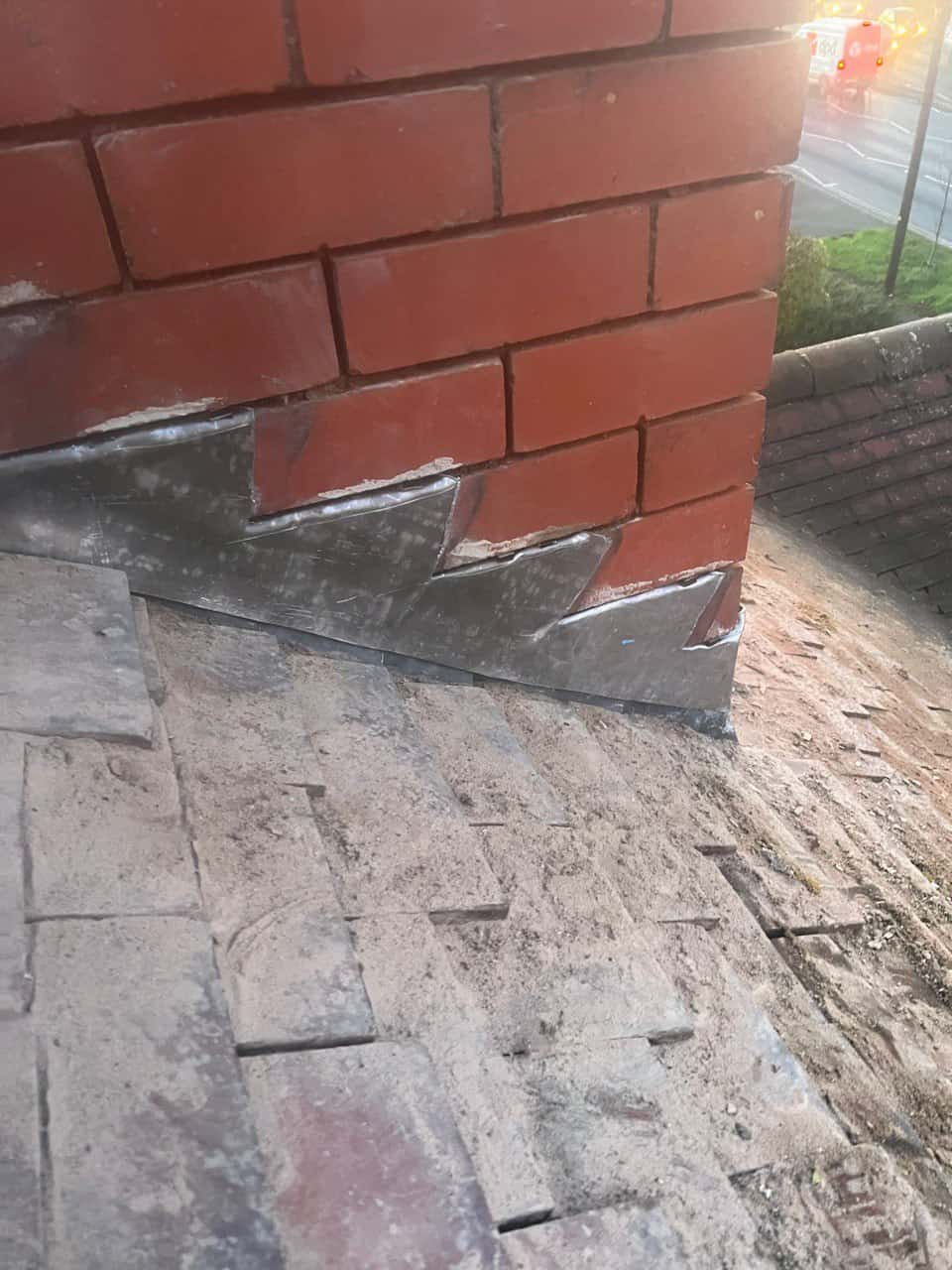
Common Causes of Blistering and Cracking on Flat Roof Coverings
Flat roofs provide a practical roofing solution for many residential and commercial properties, but their coverings can develop defects over time. Two common problems are blistering and cracking, both of which can affect the roof’s ability to keep water out. Although these issues may initially appear minor, they can worsen if the underlying causes are not addressed.
For property owners in Wollaston, Northamptonshire, understanding why flat roof coverings blister or crack can help identify problems early and prevent further deterioration. Recognising the warning signs and arranging suitable repairs can help maintain the roof’s condition and protect the building beneath it.
What Causes Blistering on Flat Roof Coverings?
Blistering occurs when raised bubbles or pockets develop beneath the surface of a flat roofing membrane or felt covering. These areas can form when air, moisture or vapour becomes trapped between layers of the roofing system.
As temperatures rise, trapped air or moisture may expand, causing the covering to lift and form visible blisters. Changes in temperature can make these raised areas more noticeable, particularly on roofs exposed to direct sunlight.
Blistering can also result from poor installation, inadequate bonding between roofing layers or applying materials to a damp or unsuitable surface. If a blister becomes damaged or splits, it may create an opening through which rainwater can enter.
Why Flat Roof Coverings Develop Cracks
Cracking often occurs as roofing materials age and lose some of their flexibility. Repeated exposure to sunlight, temperature changes and weather conditions can gradually cause the surface to become brittle.
As the material expands and contracts, small fractures may develop. These can spread over time, particularly where the covering is already weakened or exposed to repeated movement.
Cracks may also appear when the roof structure moves or when the underlying surface is not adequately supported. If the covering cannot accommodate this movement, stress can build up and cause the material to split.
The Effects of Standing Water and Poor Drainage
Effective drainage is essential for maintaining a flat roof. Although flat roofs are designed with slight falls, blocked outlets, inadequate gradients or uneven areas can allow rainwater to collect.
Prolonged standing water places additional demands on the roofing covering and can expose existing weaknesses. If water reaches damaged seams or cracks, it may penetrate the layers beneath and contribute to further deterioration.
In Wollaston, changing weather conditions make it particularly important to ensure that roof outlets and drainage routes remain clear. Regular checks can help identify areas where water is not draining away as intended.
Poor Installation and Inadequate Preparation
The quality of the original installation has a significant influence on how well a flat roof performs. If the surface was not properly prepared, roofing layers may fail to bond correctly, increasing the risk of blistering and separation.
Incorrect material application, poorly sealed joints and unsuitable installation conditions can also contribute to premature defects. For example, fitting certain roofing materials over a damp substrate may trap moisture beneath the covering.
Professional installation requires careful attention to the roof’s condition, material compatibility and the manufacturer’s application requirements. These details help reduce the likelihood of avoidable problems developing.
Ageing Materials and Weather Exposure
All flat roof coverings have a service life, and their condition can gradually decline through prolonged exposure to the elements. Sunlight can break down certain roofing materials, while repeated temperature fluctuations place stress on the surface.
Wind, rain and frost can also worsen existing defects. Once a covering becomes brittle or loses its protective properties, it may be more vulnerable to cracking, splitting and water penetration.
A roof that has developed several blisters or widespread surface cracking may need a more detailed assessment to establish whether localised repairs are suitable.
Warning Signs That Your Flat Roof Needs Attention
Blistering and cracking are not the only indications of a deteriorating flat roof. Other signs may suggest that the covering is no longer providing reliable protection.
Look out for:
- Raised bubbles or soft-looking areas across the roof surface.
- Visible cracks, splits or openings in the covering.
- Water collecting in areas that should drain properly.
- Loose edges or separating seams.
- Damp patches or water staining on internal ceilings.
- Repeated leaks following rainfall.
If these problems appear, avoid walking across damaged sections or attempting to open blisters yourself. A professional roofer can inspect the covering and identify the most appropriate repair method.
Professional Flat Roof Repairs in Wollaston
Effective flat roof repairs involve identifying why the damage has occurred, not simply covering the visible defect. A roofer should assess the condition of the membrane, joints, drainage arrangements and underlying surface before recommending suitable work.
BMT Roofing Wollaston provides roofing repair services in Wollaston, Northamptonshire. Whether your flat roof has developed isolated blisters, surface cracks or signs of water ingress, professional assessment can help determine whether repairs or more extensive work are needed.
Conclusion
Blistering and cracking on flat roof coverings can result from trapped moisture, ageing materials, poor drainage, weather exposure and installation defects. If left untreated, these problems may allow water to penetrate the roof and cause further damage.
If you have noticed raised areas, cracks or leaks on your flat roof in Wollaston, Northamptonshire, contact BMT Roofing Wollaston to discuss your concerns and arrange a professional assessment.
Call us on: 01933 823 289
Click here to find out more about BMT Roofing Wollaston
Click here to complete our contact form and see how we can help with your roofing needs.